Choosing the Right Equipment Is About More Than Purchase Price
For protective coatings contractors, a high-pressure polyurea proportioner is the most important investment they will make. The equipment behind the application process directly affects coating quality, job site productivity, operating costs, and customer satisfaction.

A proportioner is responsible for maintaining the precise conditions required for successful polyurea application, including material ratio, pressure, temperature, and flow. When equipment performs consistently, contractors can focus on applying coatings efficiently without the worry of machine malfunction. Because when equipment struggles, the consequences can include wasted material, production delays, inconsistent results, and costly rework.
While purchase price is often the first consideration when evaluating equipment, experienced contractors understand that the true cost of a high-pressure proportioner is measured over its entire service life. A machine that requires frequent repairs or creates downtime may ultimately cost more than a higher-quality system that delivers reliable performance year after year.
Before investing in a high-pressure polyurea proportioner, contractors should consider these 10 important questions.
1. Can the proportioner consistently maintain the correct material ratio?
Polyurea coatings are engineered systems that depend on precise mixing of two components: A-side, isocyanate and B-side, base/co-reactant. Maintaining the proper 1:1 ratio is critical to achieving the coating properties specified by the material manufacturer.
When ratio accuracy is compromised, the results may include poor adhesion, inconsistent curing, reduced chemical resistance, and coating performance that does not meet expectations. Because plural component polyurea reacts quickly after mixing, there is little opportunity to correct problems after the material leaves the spray gun.
A quality proportioner should deliver consistent material balance throughout the entire spray process, regardless of whether the crew is beginning a job, spraying continuously, or working through changing conditions.
2. Does the system maintain stable pressure during real-world applications?
Pressure stability plays a major role in how well the A-side and B-side materials mix inside the spray gun. Balanced pressure helps create proper atomization, a consistent spray pattern, and uniform coating application.
However, job site conditions are rarely perfect. Contractors may be working with long hose runs, changing temperatures, large surface areas, or extended spray cycles. A proportioner must be able to maintain stable pressure as operating demands change.
Equipment that struggles to maintain pressure consistency can contribute to uneven coatings, material waste, and application challenges that affect both productivity and profitability.
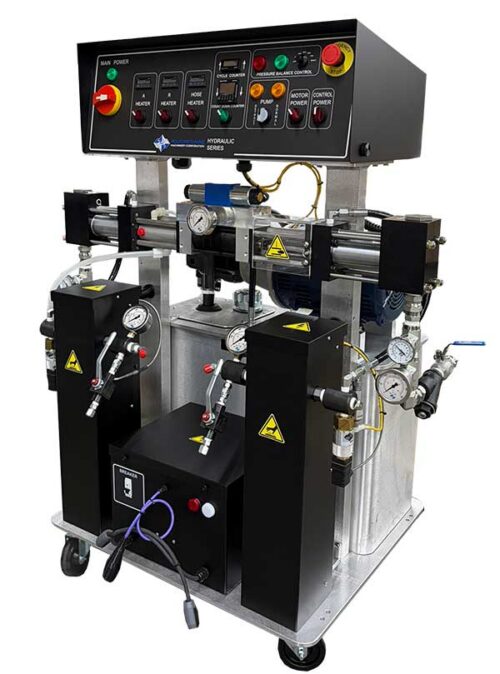
3. Can the equipment maintain proper material temperature?
Temperature control is another critical factor in polyurea performance. Material temperature affects viscosity, flow characteristics, mixing efficiency, and spray quality.
A high-performance proportioner should provide reliable heating capability and maintain consistent material temperatures from the machine through the heated hose and into the spray gun.
This becomes especially important during cold-weather applications, large projects requiring extended hose lengths, and jobs where crews need to maintain production for long periods of time. Consistent temperature control helps ensure the material performs as intended.
4. Is the equipment matched to your production needs?
The best proportioner is not necessarily the machine with the highest output rating or the most features. The right equipment is the system that best fits the contractor’s actual application requirements and future business goals.
Before purchasing equipment, contractors should consider the types of coatings they apply, the size and frequency of their projects, how many operators will use the system, and whether they anticipate expanding into additional applications.
Selecting equipment that matches production needs helps ensure contractors have the capability they need without investing in features that do not provide value.
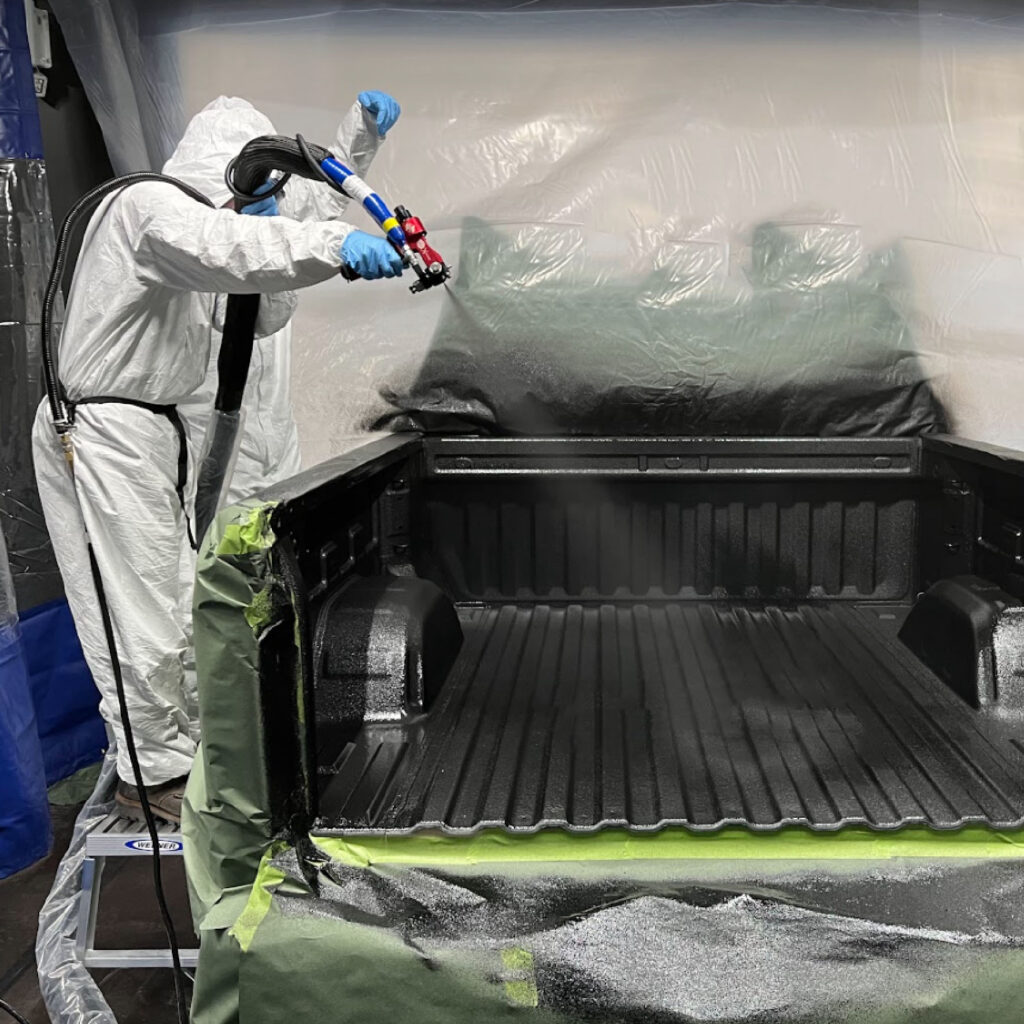
5. How easy is the equipment to maintain?
Every proportioner requires routine maintenance. The difference between equipment designs often becomes clear when service is needed.
Equipment that is difficult to access, complicated to troubleshoot, or dependent on long repair processes can create unnecessary downtime. For contractors, delayed projects and idle labor equal lost revenue.
When evaluating a proportioner, consider how easily routine maintenance can be performed, how accessible replacement parts are, and how quickly common issues can be diagnosed and corrected.
Equipment designed with serviceability in mind helps contractors spend more time spraying and less time working on their machines.
6. What level of technical support is available?
Even the most reliable equipment may occasionally require assistance. When a contractor’s equipment is down, access to knowledgeable technical support can make the difference between a short interruption and a major production delay.
A strong equipment partner should understand the challenges contractors face in the field and provide support beyond the initial sale.
Before investing, ask whether technical assistance is available, whether replacement parts are accessible, and whether the manufacturer provides training and troubleshooting resources.
The relationship with the equipment manufacturer should continue long after the purchase.
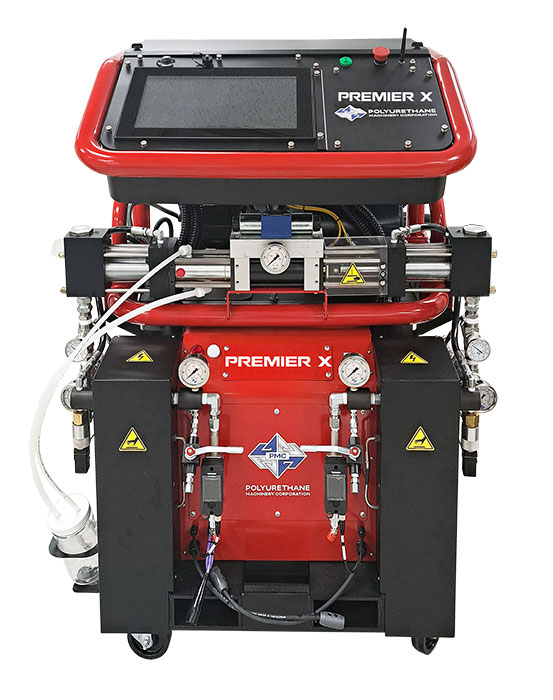
7. What is the true cost of ownership?
The purchase price of a proportioner represents only one part of the overall investment. A complete evaluation should include maintenance costs, replacement parts, material efficiency, downtime, productivity, and expected service life.
A lower-priced machine may appear attractive initially, but frequent repairs, inconsistent performance, or lost production time can quickly eliminate those savings.
Contractors who evaluate equipment based on total cost of ownership gain a clearer understanding of the value a machine provides over time.
The goal is not simply to purchase equipment but to invest in equipment that supports profitability.
8. Will the equipment improve crew productivity?
While a skilled crew yields the most even spraying, true productivity comes from consistent operation, fewer interruptions, efficient material use, and predictable project completion.
The right proportioner becomes an advantage that allows contractors to maximize the value of their labor and expertise.
9. Is the equipment built for demanding jobsite conditions?
Polyurea equipment is rarely operated in a controlled environment. Contractors transport machines between jobsites, operate in changing weather conditions, and depend on them to perform in challenging applications.
Durability should be a major consideration when selecting equipment. A professional proportioner should be built to withstand daily use, transportation, and the demands of commercial and industrial applications.
Equipment reliability directly affects a contractor’s ability to meet commitments and maintain customer confidence.
10. Does the manufacturer understand your application?
When making a capital purchase such as a proportioner, you should look beyond the machine to the manufacturer.
A spray coating equipment manufacturer that understands protective coatings and application can provide valuable support throughout the life of the equipment. This includes application guidance, troubleshooting assistance, training resources, and recommendations for maintaining peak performance.
Contractors benefit most when they work with a company that understands their challenges and is invested in helping them succeed.
Making a Smarter Equipment Investment
A high-pressure polyurea proportioner is a tool that directly impacts every project a contractor completes. The right equipment helps create consistent coatings, reduce downtime, improve efficiency, and protect a company’s reputation.
The best investment is not always the equipment with the lowest initial price. It is the equipment that provides dependable performance, manageable ownership costs, and long-term value.
Contractors who take the time to evaluate performance, reliability, serviceability, and support are better positioned to make an equipment decision that benefits their business for years to come.
For more information, contact a spray coating machinery distributor that is an expert in the field.